
Projects and lines of work
Four lines that share a method: anticipation, evidence, co-design and evaluation.
Care and Life Plans
It is not enough to plan for the final moment: we must plan for the final thirty years.
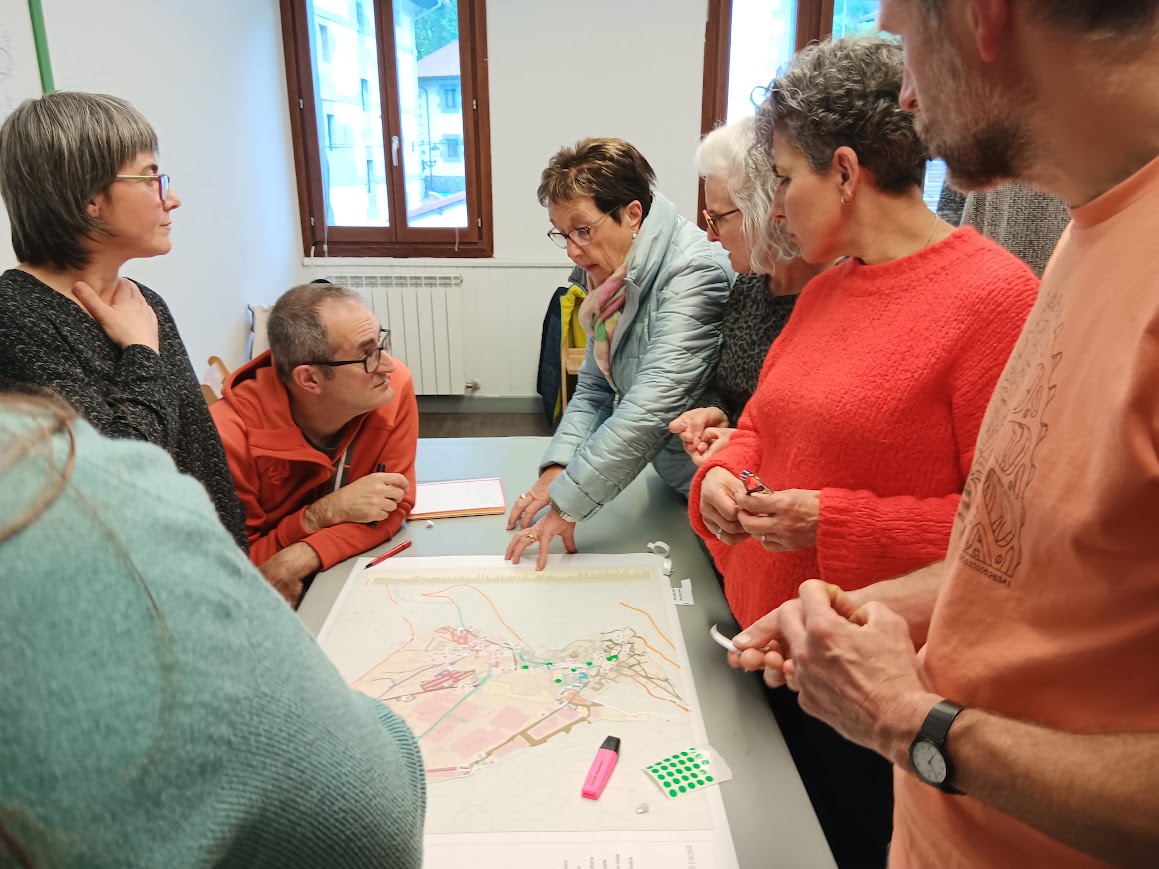
The work unfolds across three simultaneous scales. At the individual scale: wishes, priorities, boundaries, housing, financial resources, ties and care preferences.
In the close environment: explicit agreements with family and friends about roles, expectations, boundaries and the distribution of responsibilities, discussed before the emergency rather than during it.
At the collective scale: what needs to change in the neighbourhood, in services and in public policy so those individual plans are viable, and how to organise to ask for it.
What it includes
- Working groups and group processes on activist ageing.
- Development of individual life plans and personalised care pathways.
- Personal, family and community care and coexistence agreements.
- Workshops on ageing, autonomy, housing and resources.
- Prevention of economic abuse and tools to support shared decision-making.
- Citizen–institution roundtables to carry collective conclusions into public policy.
Typical deliverables
Living plans, decision maps, preference and boundary documents, written care and coexistence agreements, alert and protection maps.
Who it is for
Older people and families, municipalities and social services, associations and older people's movements, care organisations, banks and insurers.
Typology support for housing with wellbeing and care
Systematically identifying which housing typologies produce wellbeing, which erode it and where to prioritise intervention.
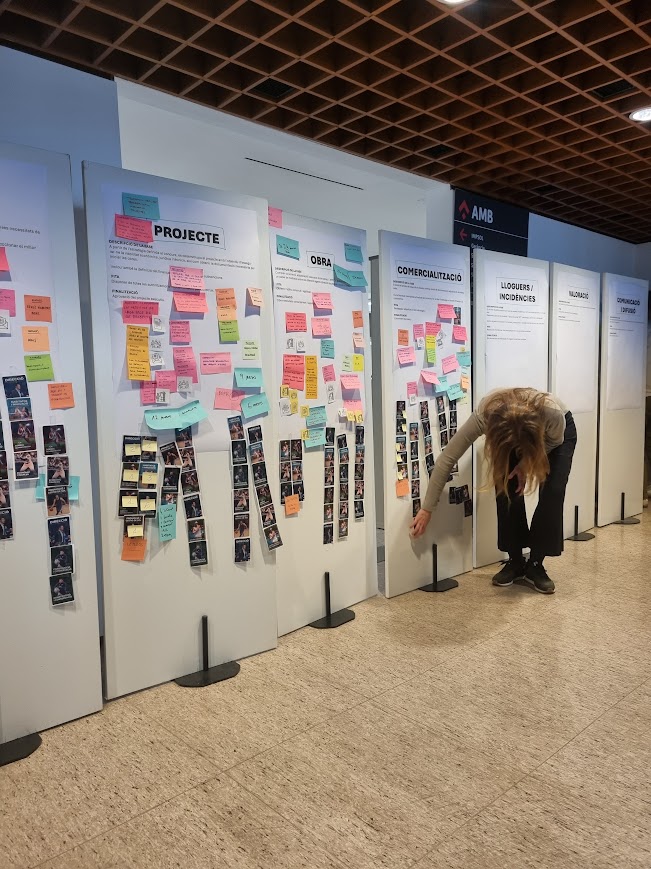
Housing is the first care infrastructure. It determines how much support is needed, who can provide it, at what cost and for how long. Yet decisions about typology, layout, equipment and surroundings are almost always made without evidence about their effect on the wellbeing of the people who will live there.
We support public and private operators, developers, municipalities, architecture teams and promoter groups at exactly that point: turning the housing stock and new projects into informed typological decisions.
What it includes
- Analysis and co-design of collaborative, senior and intergenerational housing.
- Building typological scenarios and screening tools to prioritise interventions on the existing stock.
- Dual-axis wellbeing measurement, social and environmental, with dashboards and longitudinal series.
- Analysis of wellbeing, use, care demand and environmental conditions in public housing.
- Support for promoter groups: building opportunities, coexistence agreements and social viability.
- Pilots in rural housing, caring territories and underused buildings.
- Sociodemographic diagnoses for urban planning processes.
Typical deliverables
Opportunity sheets, typologies and scenarios, wellbeing dashboard, longitudinal dataset, coexistence agreements, pilot design and replication guide.
Who it is for
Public and private housing operators, developers, municipalities, architecture and urban planning teams, cooperative housing promoter groups, rural development agents.
Economic Safeguarding
The bank is the only actor with full visibility of a person's financial flows. Today it plays no part in detection and care networks.
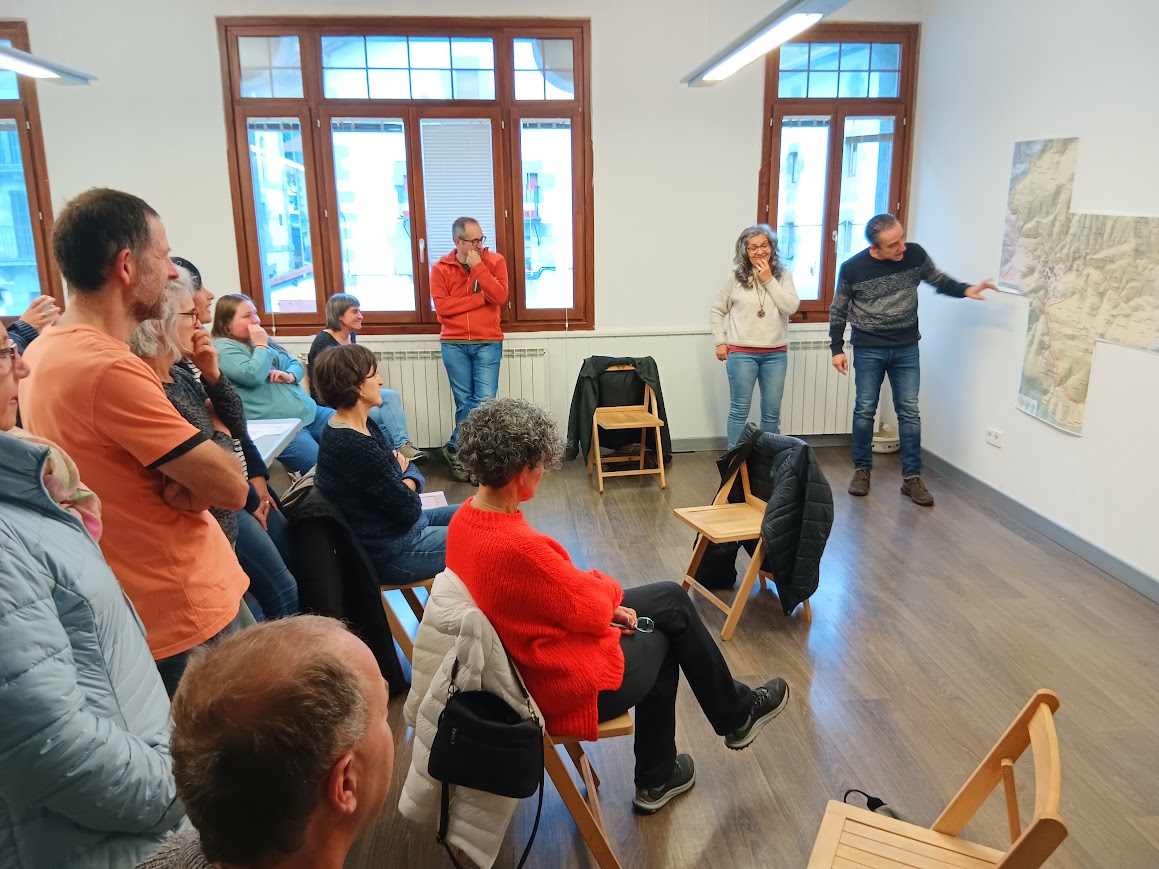
Economic abuse of older people advances faster than the tools to detect it. According to the World Health Organization's review of 52 studies, one in six people over 60 experiences abuse each year. According to the Reina Sofía Centre, 92% of victims of financial abuse are women.
The problem is structural, not a matter of goodwill. The affective environment has the bond but no access to financial information. Social services have the professional mandate but act after a complaint: their detection is reactive. The financial institution has full, longitudinal and quantitative visibility and today sits outside the care network. Economic Safeguarding works on that asymmetry.
We design early-detection systems and coordination circuits between banking, social services and administration, resting on four non-negotiable conditions: voluntary activation, never by default; granular consent defined by the person; revocability at any time, without requirements or justification; and explainable algorithms, where every alert arrives with a reason a professional can read.
What it includes
- Behavioural research on risk patterns and early signals.
- Design of alert systems calibrated on the individual trajectory, not on demographic tables.
- Service and user-experience design for informed consent by older people.
- Coordination protocols between financial institution, social services and administration.
- Training for branch staff, technical teams and social services professionals.
- Design and evaluation of territorial pilots.
Typical deliverables
Catalogue of risk signals, functional specification of the alert system, inter-institutional coordination protocol, consent and data protection framework, training programme and implementation roadmap.
Who it is for
Banks, insurers and financial institutions, social services, public administrations, foundations, local security forces and third-sector organisations.
Living Memory Workshop
When an older person dies without anyone gathering their voice, an irreplaceable library disappears with them.
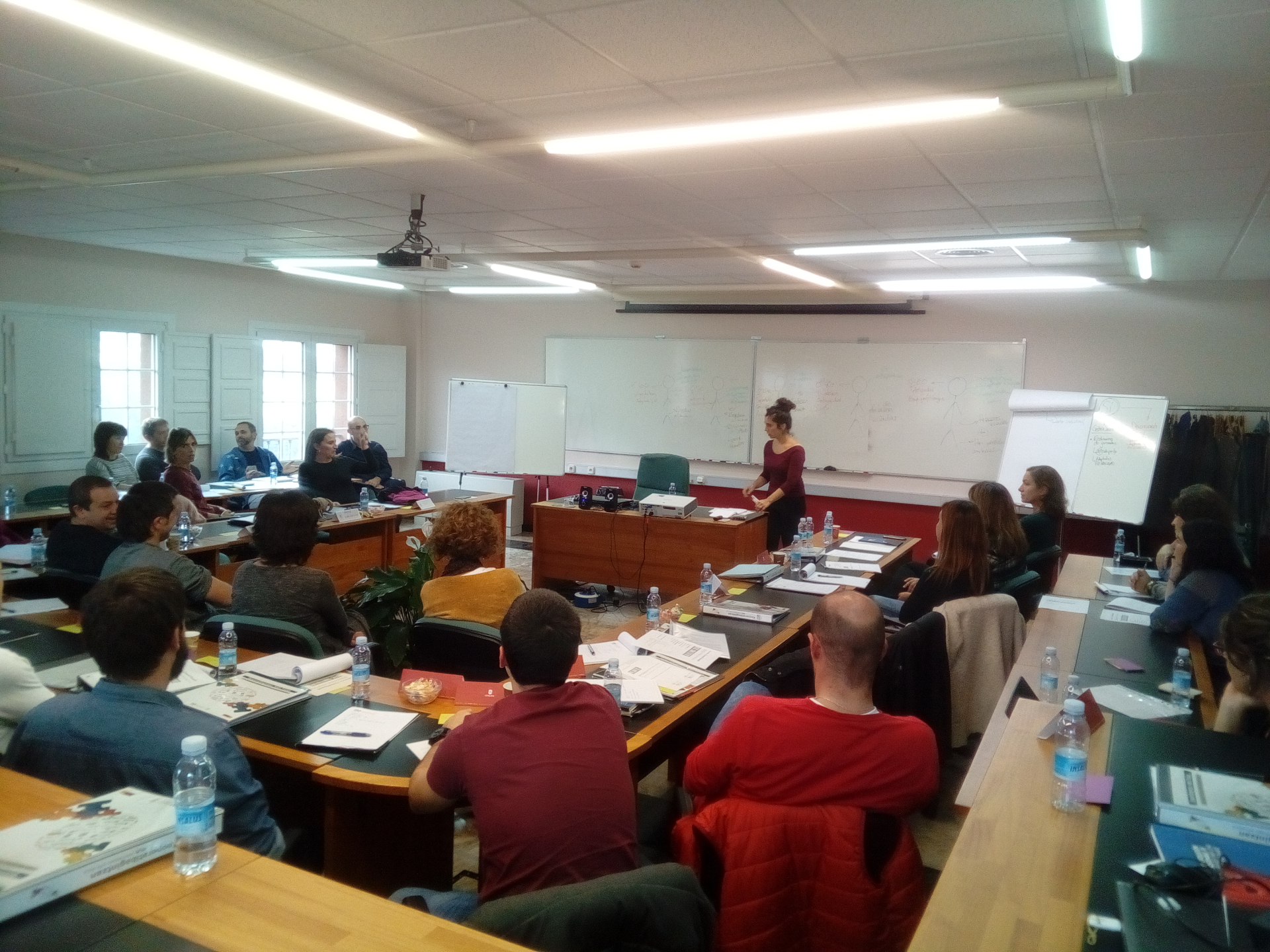
A living, participatory archive of community memory. The breaking of the oral transmission chain is one of the quietest cultural phenomena of our time. For centuries, knowledge, stories and community values were passed from mouth to ear. Today that process has been interrupted.
It does not disappear because nobody wants to preserve it. It disappears because those who carry it have no spaces designed for their memory to be received, valued and passed on; and because new generations, though curious, have no accessible channels to meet that living past.
The living memory of older people is not only historical heritage: it is an active resource for community care, intergenerational education and social cohesion. Two axes run through the whole process: a gender perspective, because older women have been the great invisibles of historical archives, and the Basque language.
What it includes
- A physical collection office in the municipality and a permanent digital channel for audio, photographs and documents.
- Collection and cataloguing of oral testimonies and family photography and documentation.
- Audiovisual production and animation of historical photography.
- Teaching kit for classrooms, with a didactic guide and usage protocol.
- Protocol for using the materials in day centres for reminiscence work.
- Intergenerational encounters and a public event returning the work to the community.
- Formal delivery of the digital archive to the municipality, with a scalability and replication guide.
Typical deliverables
Catalogued digital archive, audiovisual pieces, animated historical photographs, teaching kit, day-centre protocol, public return event, impact report with data disaggregated by sex, age and type of participation, and a methodological replication guide.
Who it is for
Municipalities, social services, cultural and educational organisations, day centres and pensioners' clubs, foundations, associations and communities.
The examples and programmes described bring together our own work, projects in formulation and cooperation proposals submitted. Funding and delivery status depends on each initiative; they are shown here as a reference for Zainduz's capabilities and lines of work.